

Chloroform
1920s usage in crime and the deplorable state of the NYC coroner's office (1915)

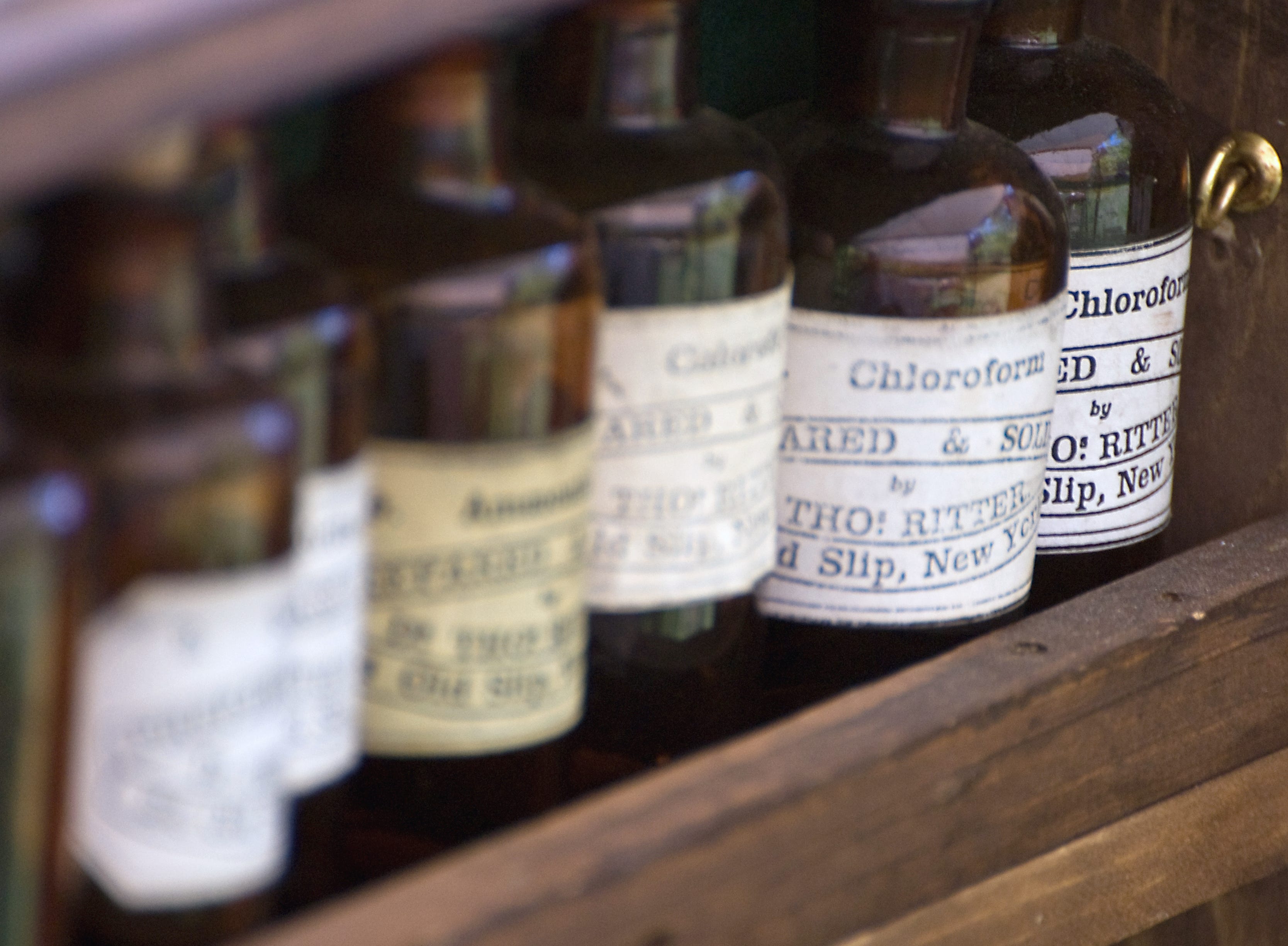
Since its discovery, chloroform was a popular anesthetic lauded by early physicians everywhere. It was used as anesthesia for surgeries and for childbearing. Supposedly there were three independent physicians who discovered it at the same time. However, we’ll focus on James Young in this instance.
Previous to chloroform, doctors and physicians were using ether to sedate their patients. Ether posed many problems in that it was slow to act, smelled awful and was caustic to the lungs and was flammable—a considerable problem when many physicians worked by the light of candles.
James Young and associates stumbled on chloroform and after inhaling it, woke to find themselves under the table and thirty minutes had passed.
After Queen Victoria used it during childbirth, chloroform was widely used and accepted. It was used as a sleep aid, sedative, a painkiller, a treatment for hiccups, vomiting and diarrhea.
However, chloroform was not without its dangers. Hold onto that thought while we take a jump into the NYC 1910s and the coroner department.
In 1914 the whole coroner system was corrupt. There were kickbacks between the undertaker and the coroner’s department.
“The city’s commissioner estimated that the city spent $172,000 annually on ‘unqualified coroners, their mediocre physicians and their personal clerks, who spend most of the time on private affairs,; or on lining their pockets.”
In addition to drawing their salaries, coroners worked on commission. They could— and usually did—bill the city for every body they examined; one assistant coroner ‘investigated’ the same drowning victim more than a dozen times, claiming each time that it had bobbed up at a different location on the Hudson River.”
Some coroners only released a body to a family if the bereaved agreed to take the body to a certain funeral home which usually offered a kickback to the coroner.
At this point in history, NYC required no medical background for being a coroner. And coroner’s were the ones who were charged with determining the cause of death. So who held positions in the coroner’s office? From 1989 to 1915 the following people were New York City coroners:
